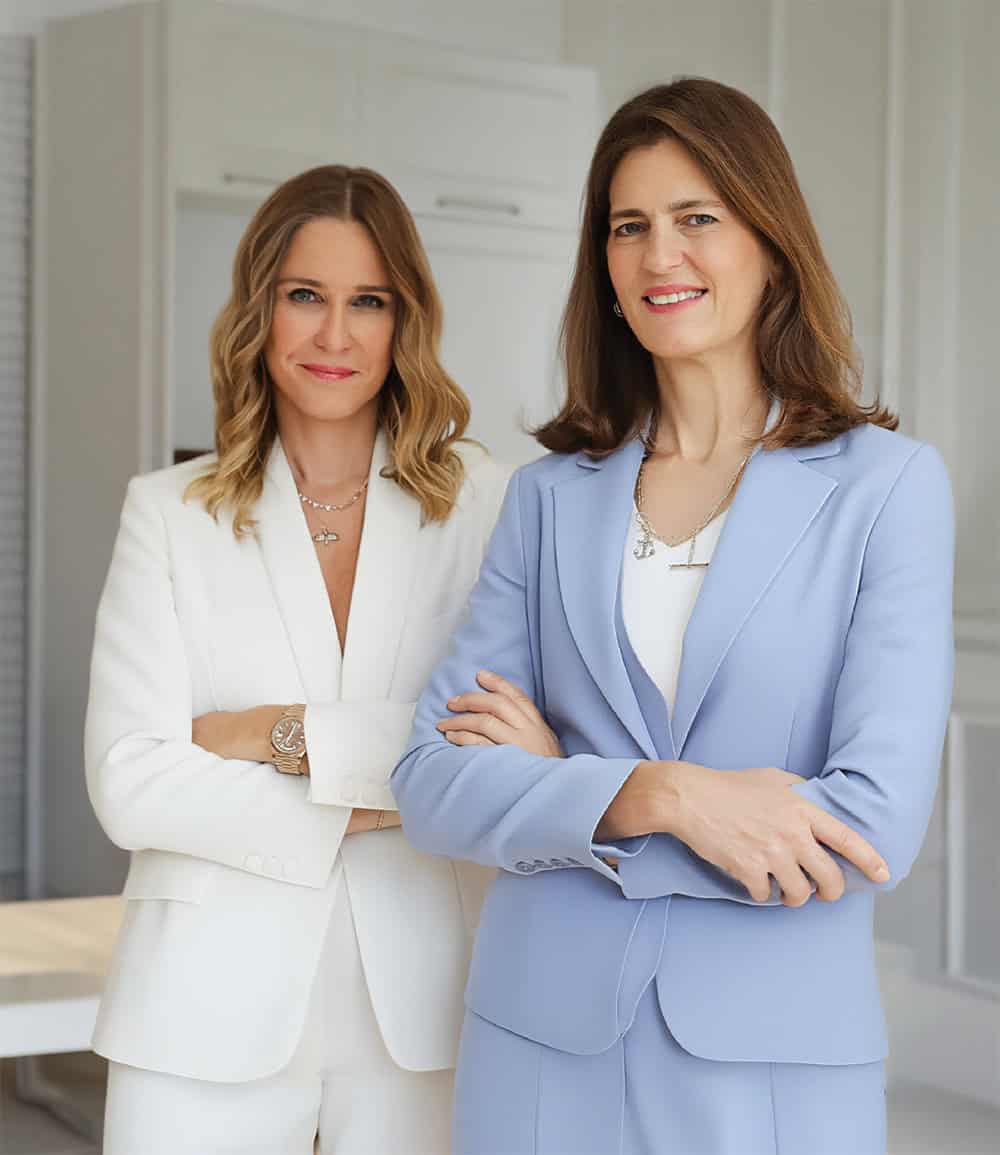
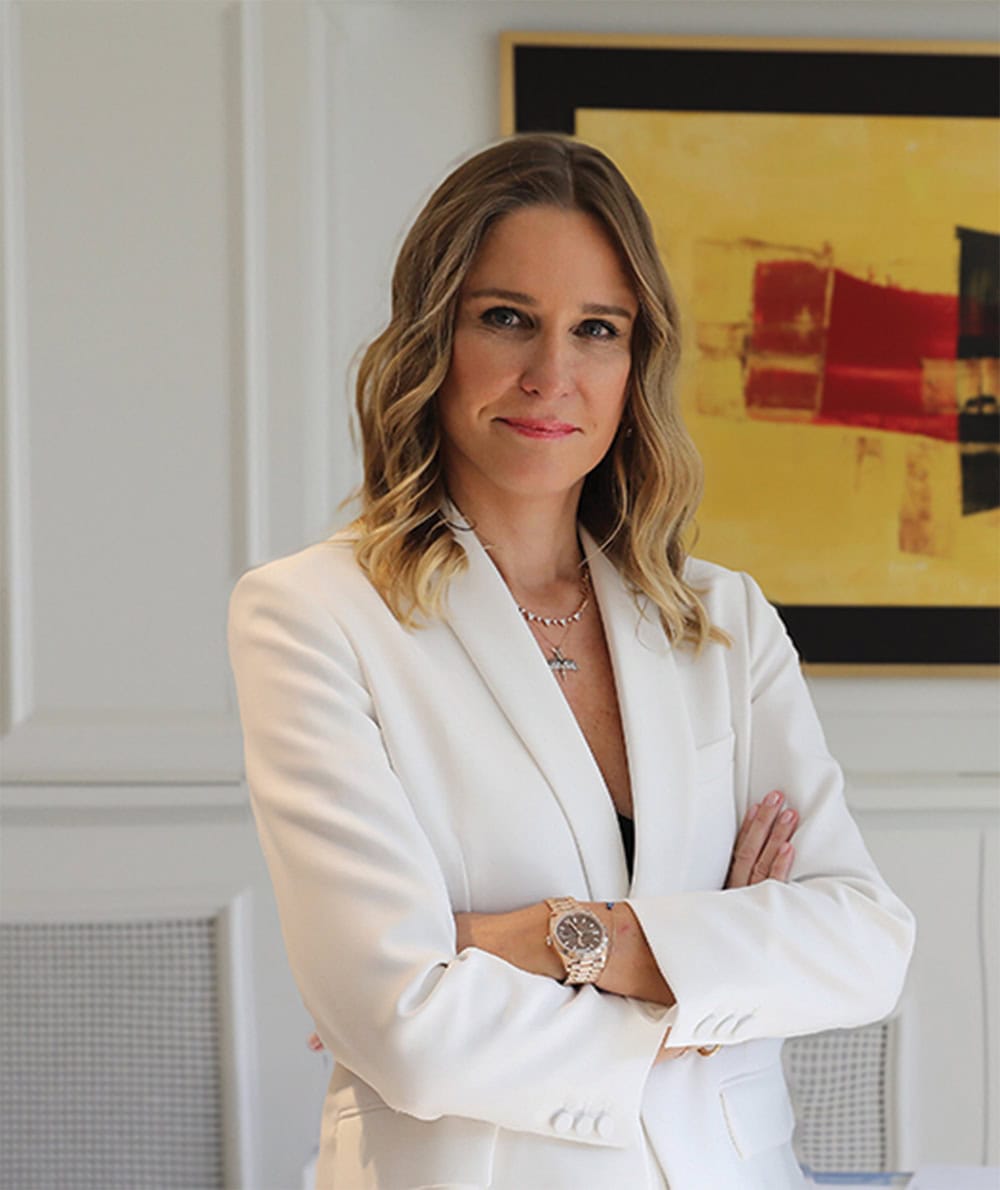
| Ayşe ATABAY ATABAY Vice Chairperson of the Board of Directors |
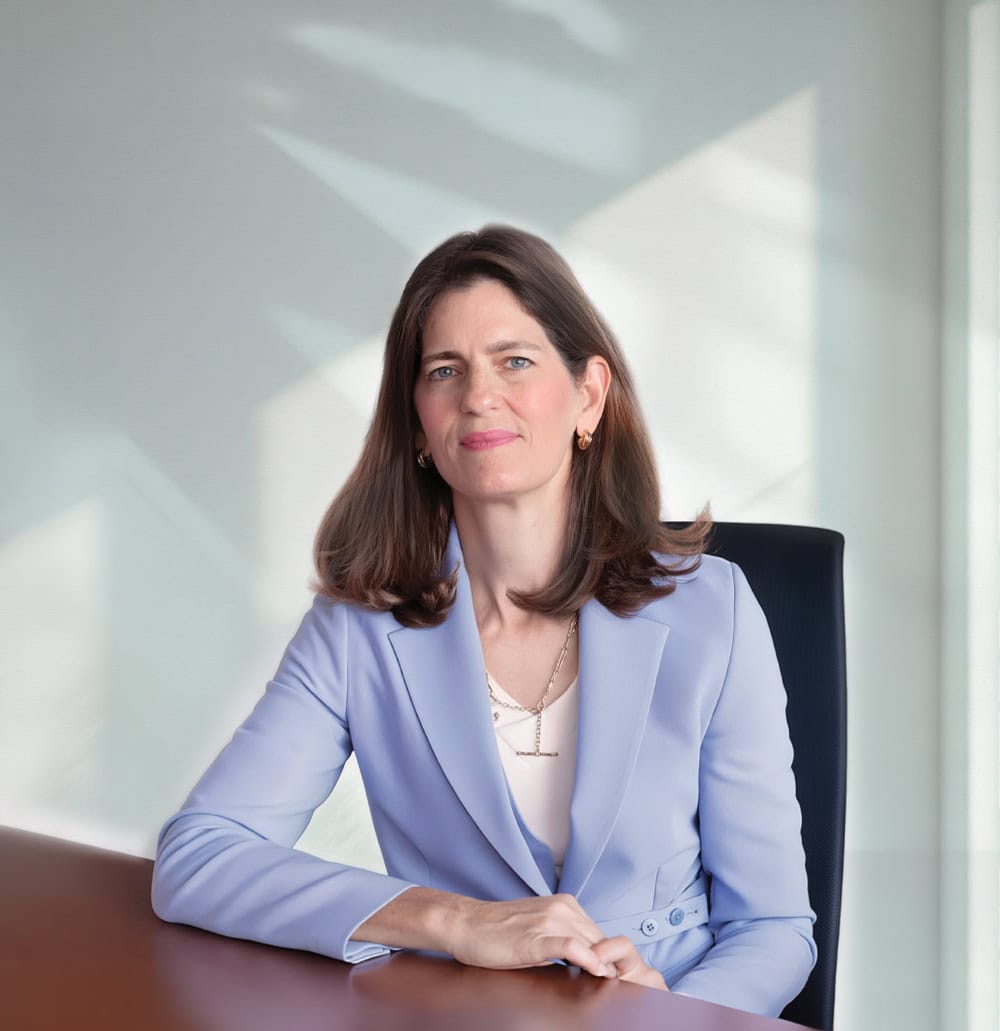
Zeynep ATABAY TAŞKENT ATABAY Chairperson of the Board of Directors |
Women Leaders Shaping the Future
In our conversation with Ayşe Atabay and Zeynep Atabay Taşkent — next-generation leaders of the Atabay Family, one of the pharmaceutical sector’s most established dynasties — on the subject of women executives and leaders in the industry, Atabay Pharmaceuticals Board Chair Zeynep Atabay Taşkent answered our questions and shared key messages for women in leadership.
First, we would like to get to know you a little better. How did your leadership journey begin?
When defining leadership, it is important to clarify the perspective from which one approaches it. Historically, there has been a leadership model centered on competition and the accumulation of power. Alongside this exists an alternative approach — one that is inclusive, unifying, growth-oriented, and focused on generating sustainable value. It is this second approach that I embrace.
Our family’s roots in pharmacy began with my grandfather, and grew into pharmaceutical manufacturing facilities as my father took the helm. With this heritage in mind, I studied chemistry at the University of Nottingham following my education at Istanbul Robert College. Upon completing my studies, I entered the workforce immediately. In the late 1990s, I participated in the Camel Trophy adventure races, becoming one of three finalists. I then went on to represent our country in the Eco Challenge races — held in Patagonia, Malaysia, and New Zealand — under the name “Team Turk,” competing as the sole Turkish team and the only female athlete. These experiences instilled in me the values of resilience, strategic thinking, and team cohesion.
Sailing culture is also a significant part of our institution. Our Honorary Chairman and father, Bülent Atabay, competed for many years aboard the vessel Orient Express, achieving considerable success. Discipline and strategy form the foundation of this tradition. I later competed in races myself aboard the previous generation’s vessel, working alongside an experienced Olympic helmsman. We built the team together, and together we defined and executed our strategy. This process reminded me once again that leadership is not an individual display of strength, but rather the art of bringing the right people together and creating space for expertise to flourish.
The leadership model we practice today — together with our Vice Chairperson of the Board, Ayşe Atabay — is grounded in this very approach. We advance through collective intelligence, drawing on a diversity of perspectives. What matters is not standing out alone, but reaching the right destination with the right team.
How would you define your management philosophy?
I believe in a management philosophy that is empathetic and inclusive, yet firm in defining clear objectives. I set the broad framework transparently and, within that framework, provide the space for my teams to work with both discipline and innovation. Institutional structure keeps the company on solid ground, while an innovative mindset enables adaptation to change. Both are essential for sustainable success. A company’s responsibilities extend beyond financial performance alone. We also have obligations to the society we are part of and to the environment we inhabit. Leadership requires managing the present while keeping an eye on the future. The governance model we have developed together with Vice Chairperson of the Board Ayşe Atabay and our Strategy & R&D Director Doğan Taşkent is built on trust, consultation, and team alignment. Bringing together diverse areas of expertise around a shared vision is our foremost priority.
How do you assess the transformation taking place in the pharmaceutical and healthcare sector?
In Turkey, pharmaceutical companies largely operate within a space defined by regulation — a space whose rules were originally established by global pharmaceutical giants. Achieving lasting competitive advantage within a game built by others can be inherently limited. For this reason, I believe we need to rethink the healthcare sector with a more holistic perspective.
There is a need for a model in which hospitals, physicians, pharmacists, and pharmaceutical companies work in a more integrated manner. Pharmacists, in particular, have a strong educational foundation. I believe their potential needs to be leveraged in a more strategic way.
How do you view Turkey’s potential in domestic production and R&D?
Turkey’s R&D infrastructure is strengthening. Centers such as IBG, Boğaziçi University, and TÜSEB, alongside GLP-certified laboratories, Phase I clinical research centers, industrial R&D centers, TÜBİTAK and TÜSEB support mechanisms, GMP-approved pilot facilities, and technopark structures represent significant potential. We have the qualified human capital. We have master’s and doctoral programs in pharmacy, medicine, engineering, and molecular biology.
What is lacking is a long-term, purpose-driven, and coordinated national strategy. As an institution, we endeavor to contribute to strengthening this coordination by expanding our collaborative partnerships.
What does it mean to you to be a part of the business world as a woman leader?
Women leaders generally operate with a perspective rooted in collaboration, inclusivity, and shared growth. In the leadership model we carry out together with Ayşe Atabay, empathy and long-term thinking are defining principles.
When making decisions, we take into account not only financial outcomes, but also employee engagement, societal impact, and the legacy we will leave for future generations. A culture of consensus creates a sustainable equilibrium — and this, in turn, fosters a strong environment of trust within the institution.
In your view, what distinctive contribution do women leaders bring to corporate culture and decision-making processes?
We observe that female representation in senior management is relatively higher in the healthcare sector in particular. Merit-based advancement is both possible and demonstrably evident. Securing equal opportunity through institutional policies, strengthening mentorship mechanisms, and supporting the sharing of experience among women executives will accelerate this process.
What steps do you believe need to be taken for more women to reach senior management positions in Turkey?
As a lighthearted remark, one solution might be for fathers to pass their businesses on to their daughters. But in all seriousness — particularly in the healthcare sector, we observe that female representation at the senior management level is comparatively higher.
Merit-based advancement in these fields is both achievable and observable. What matters is securing equal opportunity through institutional policies, strengthening mentorship systems, and fostering the exchange of experience among women executives.
What advice would you give to young women to help them take bold steps in their career journeys?
My most important advice to young women is to believe in their potential and to continuously develop their competencies. Courage means being able to take a step forward in the face of uncertainty. One of the most significant turning points in a woman’s life is becoming a mother.
A woman’s ability to manage this process — and her relationship with her child — with the right timing can be a determining factor in her overall success in life. For this reason, finding balance, and with it a sense of inner peace, is of great importance.
Young women should be aware of their potential and, without abandoning the pursuit of developing their competencies, focus on creating value in their respective fields.
As a company, we place great importance on creating a working environment in which young women can realize their full potential. We view equal opportunity as one of the fundamental pillars of sustainable growth, and are taking concrete steps to increase the proportion of women in our workforce. Today, women make up 37% of our total workforce. Female representation in our management team stands at 38%, and 100% female representation has been achieved on our Board of Directors. We are conducting systematic efforts in line with our target of a 15% increase in female employment.
What is your message for International Women’s Day on March 8th?
March 8th is a day not for words about equality, but for concrete actions to be brought to the forefront. Within our organization of 1,149 employees, we have 425 women. Of our 145 managers, 55 are women. We have 102 women employees in STEM roles, and in 2025, 40 women employees were promoted. We regard being a “Company that Supports Equal Opportunity” as a long-term responsibility. We will continue with unwavering commitment to increasing women’s employment, strengthening balanced representation in management, and providing a fair working environment for all our employees.
Equality is not a preference. It is a fundamental necessity that makes sustainable success, strong institutions, and a more just future possible.
To read the full interview, in which we discuss the power of women in the sector, please visit: https://eczacidergisi.com.tr/dergilik/
Eczacı Dergisi (Pharmacist Magazine) — Issue 245, March 2026